
-

Email

News Date:
2026-09-01Item NO.:
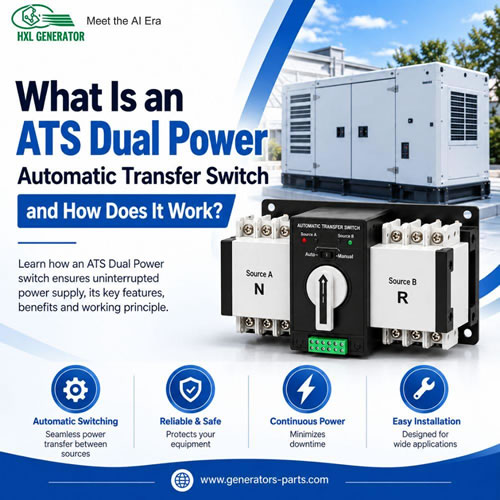
What Is An ATS Dual Power Automatic Transfer Switch And How Does It WorkHave you ever been cooking dinner or running a night shift at your factory, when the lights suddenly cut out? Your heart drops for a second, doesn't it?
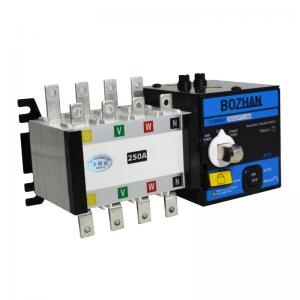
This is exactly the moment where an automatic transfer switch for generator setups quietly does its job so you barely notice the power went out at all. We're going to explain what an ATS dual power automatic transfer switch actually is, how it works, and why it matters more than most people realize.
A well-built automatic transfer switch china supplier can often match the reliability of bigger names while keeping costs sensible for larger projects. With that in mind, let's get into how these switches actually work.
Think of it as a smart decision maker sitting between your main power line and your generator. It watches the incoming electricity, and the moment something goes wrong, it makes a call without needing a person to flip anything.
An automatic transfer switch is a device that:
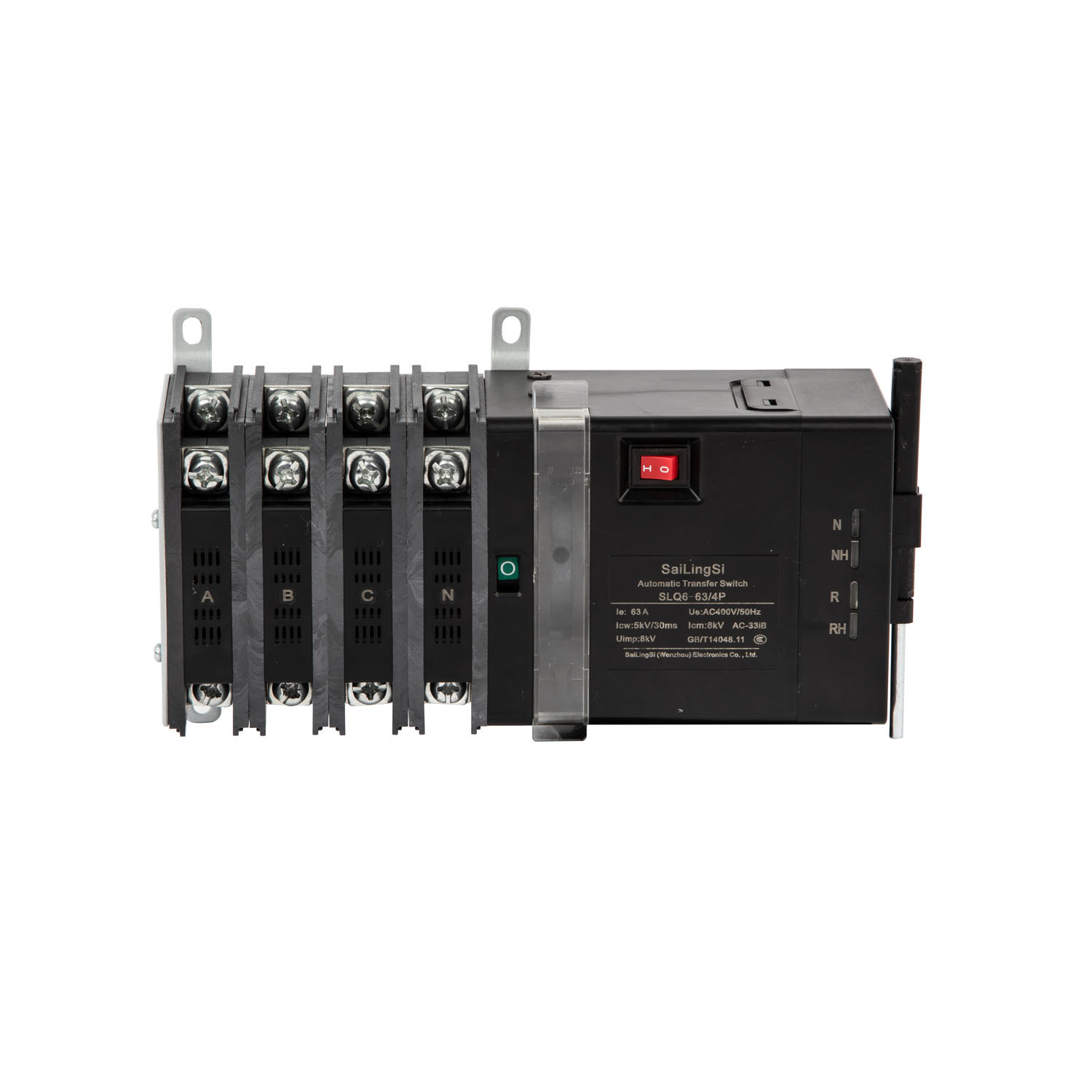
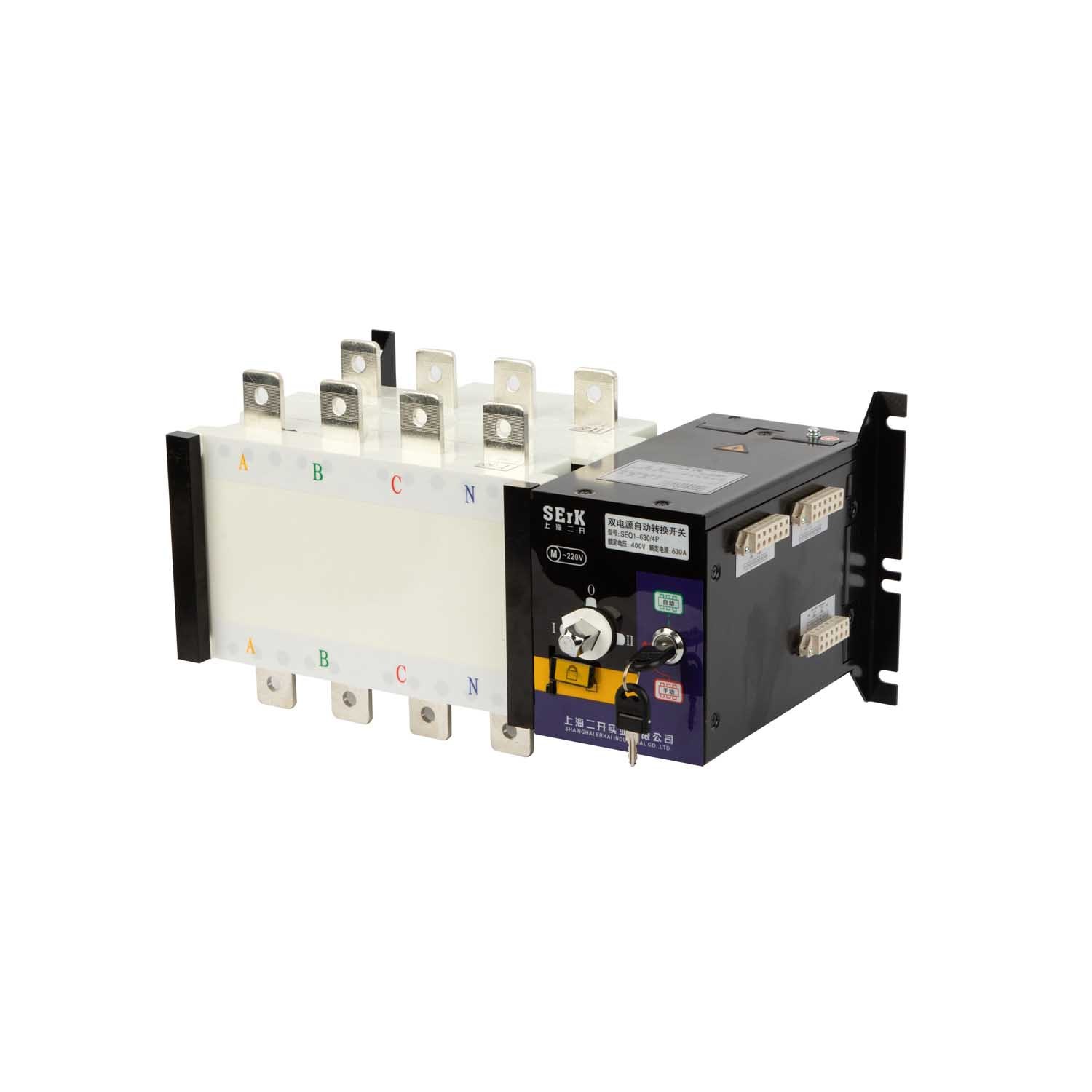
A dual power ATS simply means it manages two power sources, your regular utility supply and your generator, and decides which one should feed your home or business at any given moment. Some people also call this an ats auto transfer switch, and it means the same thing. Whether you call it that or simply an automatic transfer switch for the generator unit, the goal stays the same: keeping your power flowing without you lifting a finger.
You might think this involves complicated wizardry, but the process behind an automatic transfer switch for generator setup is easier to understand than it sounds.
Here's how an auto transfer switch typically responds during a power cut:
That short delay stops the switch from reacting to a brief flicker that fixes itself in a second, which is what makes an ats transfer switch reliable rather than jumpy.
Most of us don't think about power backup until we need it. A generator alone might feel like enough, but without the right automatic transfer switch for generator setup, it just sits there useless during an emergency.
Situations where an automatic transfer switch for the generator setup genuinely saves the day:
That's the everyday stress a properly working transfer switch generator combination quietly prevents.
Not every switch is built the same way. Choosing the right one depends on your load size and how critical uninterrupted power really is for you.
An automatic changeover switch generator setup using the wrong type for your load can lead to frequent faults or a switch that wears out faster than expected.
ATS performance doesn't only depend on how it's wired. It also depends heavily on where and how it's manufactured.
Buyers researching an ats dual power transfer switch often focus only on amperage and voltage rating, while ignoring build quality that decides how long the switch lasts. Things worth checking before you buy:
A supplier with proper certification and testing facilities can often match bigger brand names on reliability, at a more practical price point for contractors and generator assemblers who need consistent quality across large orders.
| Feature | Contactor ATS | Circuit Breaker ATS | Compact ATS |
|---|---|---|---|
| Best for | Homes, small offices | Industrial, high load | Space-limited panels |
| Cost | Lower | Higher | Moderate |
| Switching speed | Fast | Moderate | Fast |
| Maintenance need | Low | Higher | Low |
| Common use case | Residential backup | Factories, hospitals | Compact installations |
An automatic transfer switch for generator setup isn't just another electrical part sitting in a panel. It's the quiet decision maker that protects your comfort, your equipment, and sometimes even someone's safety. Whether you're a homeowner tired of manual generator switching or a business owner who can't afford downtime, choosing the right dual power ATS makes a real difference. You'll feel it the first time the lights flicker and stay on anyway.
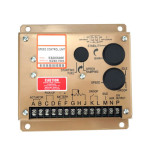
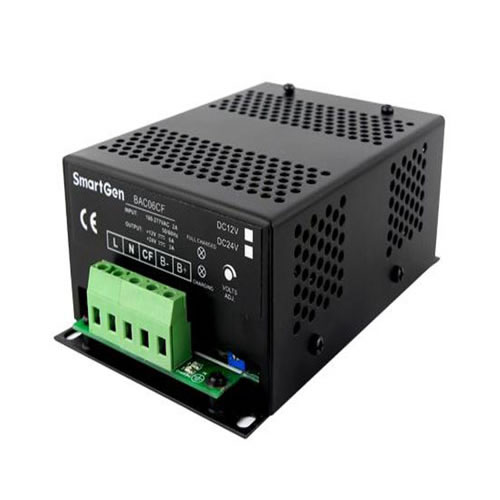
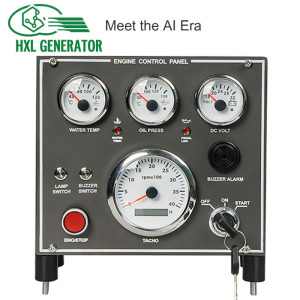
It's worth checking manufacturers who understand both the engineering side and the everyday reality of power cuts, along with related generator parts that keep the whole system working smoothly together.
Usually just a few seconds. It waits a moment first, on purpose, so it doesn't jump into action over a tiny flicker that clears up on its own.
Not really, the switch has to match your generator's capacity and your building's load, otherwise you'll run into problems down the line.
You do, it ties directly into your main power supply, so this isn't a DIY job. Get a licensed electrician to handle it.
With a manual switch, someone has to physically flip it when the power goes out. An automatic one just senses the failure and takes care of it on its own.
If you have stone inquiry, please leave us a message, we will reply you as soon as we can!